Risk reduction
Learners rehearse hazardous or high-consequence procedures in simulation before they ever approach live equipment.
Structured simulation modules designed to onboard personnel for high-stakes or hazardous procedures.
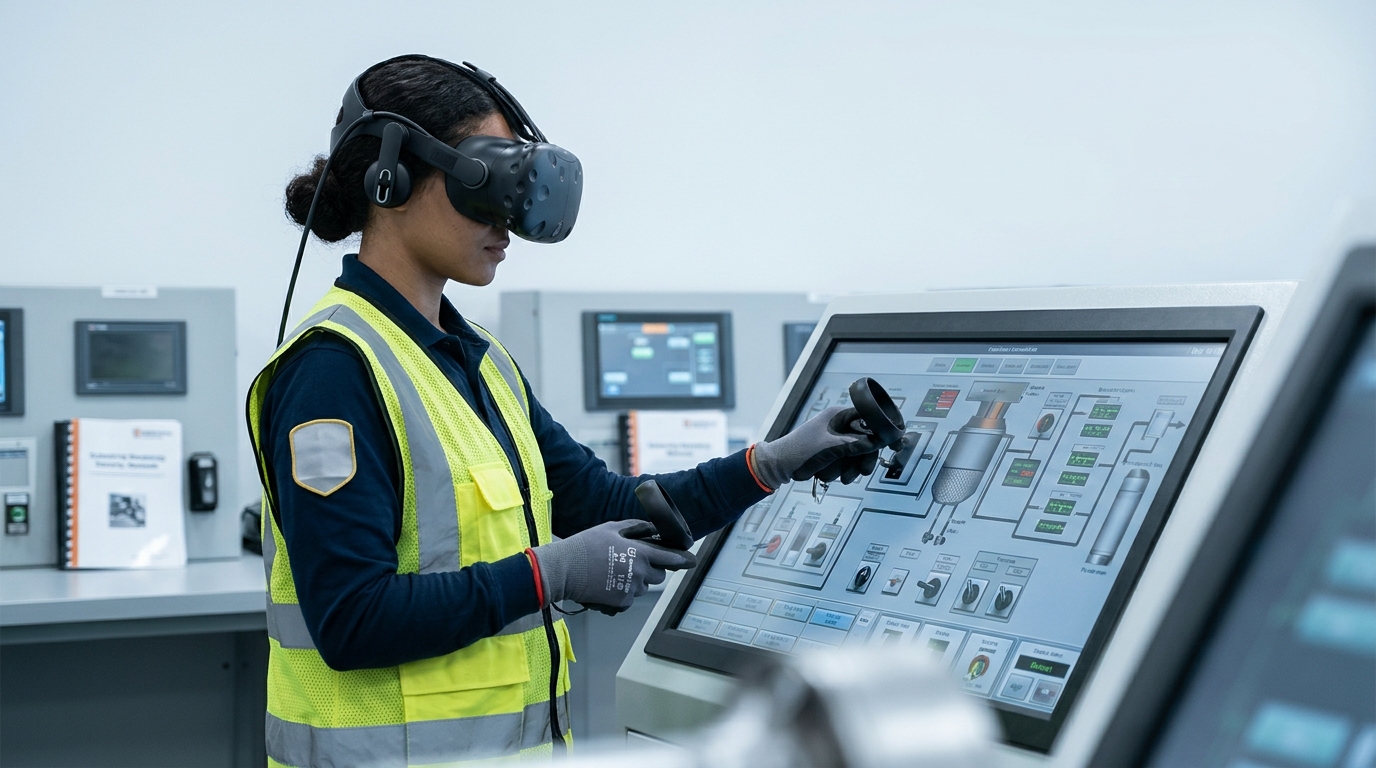
Illustrative industry photo, not a GridNest Inc project.
Hands-on practice is the best way to learn a critical procedure, but it is not always safe, affordable or available. We build structured virtual training systems that let personnel practise high-stakes tasks repeatedly, with clear steps, feedback and progression designed alongside your training team.
Learners rehearse hazardous or high-consequence procedures in simulation before they ever approach live equipment.
The same module can be delivered consistently to new hires across shifts and locations without tying up physical assets.
Modules can record completion, step order and errors so instructors understand where learners need more support.
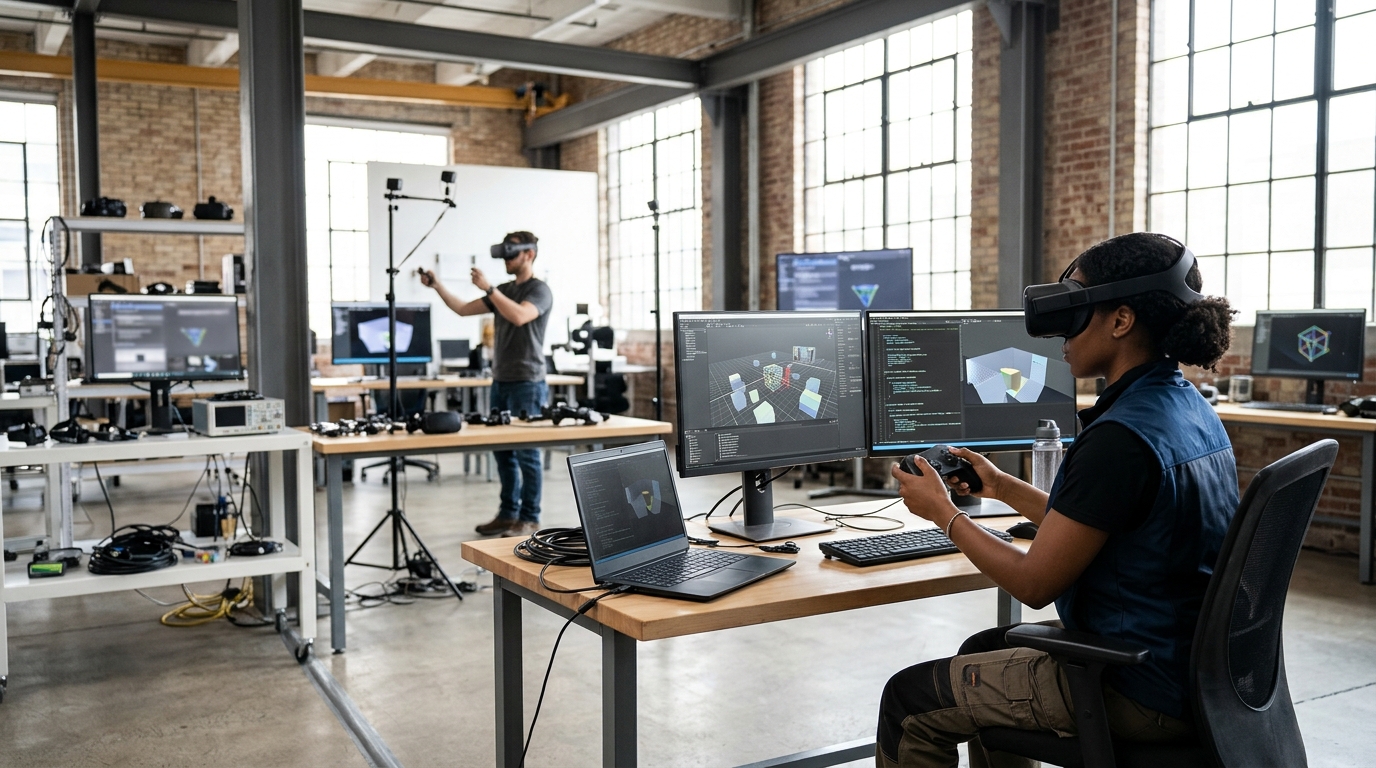
Training teams usually know exactly which procedures cause the most anxiety or errors. We start there: documenting the procedure, defining what good performance looks like, and building a module with guided, practice and assessment modes. Pilots with a small learner group inform refinements before broader rollout.
Related: Immersive Simulation ExperiencesReduces training overhead and eliminates physical risk during critical skill acquisition.
Engagements generally follow consultation, prototyping, development and deployment. Scope and pace are agreed with you at the start and revisited as the project learns.
Email us a short description of the process or audience, the devices you plan to use and any existing material such as CAD files or procedures. We will reply by email to talk through next steps.