Faster on-site assembly
Sequenced visual steps placed directly over components help people follow complex build orders with fewer pauses to cross-check paper references.
Custom augmented reality software overlaying digital intelligence onto physical enterprise workflows and machinery.
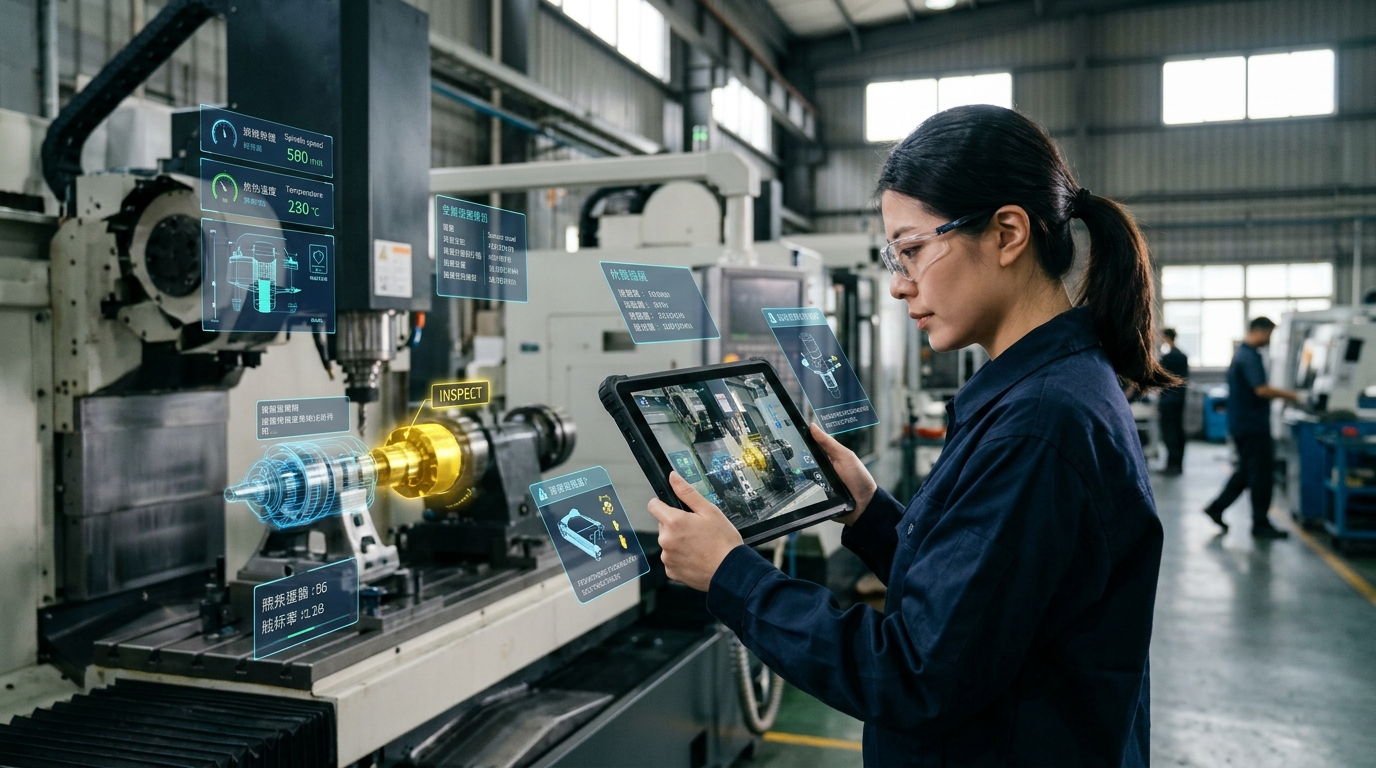
Illustrative industry photo, not a GridNest Inc project.
Augmented reality earns its place on the shop floor when it removes a step rather than adding one. We design and build AR applications that anchor instructions, data and annotations to real equipment, so technicians can keep their eyes on the task instead of on a manual or a separate screen.
Sequenced visual steps placed directly over components help people follow complex build orders with fewer pauses to cross-check paper references.
Highlighted fasteners, torque notes and inspection points make it clearer what needs attention and in which order, reducing ambiguity during service work.
Contextual overlays can surface relevant reference information at the moment it is needed, supporting less experienced staff in the field.
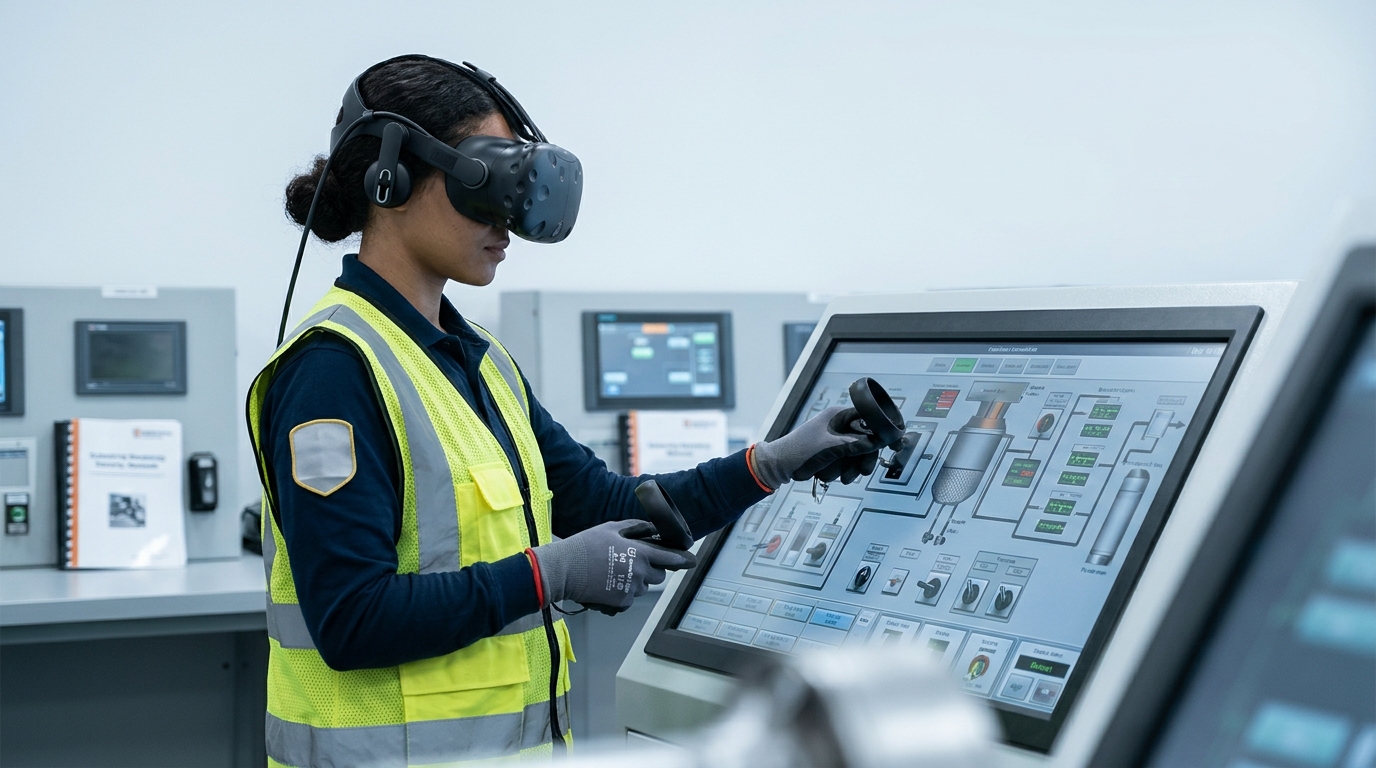
A typical engagement starts with one recurring maintenance routine that currently relies on printed instructions. Together we map the steps, decide which information belongs on the equipment and which stays in reference material, then prototype the overlay on the target device. Field feedback shapes the next iteration before the routine is rolled out more widely.
Related: Virtual Training SystemsAccelerates on-site assembly, maintenance accuracy, and real-time operational guidance.
Engagements generally follow consultation, prototyping, development and deployment. Scope and pace are agreed with you at the start and revisited as the project learns.
Email us a short description of the process or audience, the devices you plan to use and any existing material such as CAD files or procedures. We will reply by email to talk through next steps.