Unconstrained exploration
Prospective clients can examine products from any angle and at their own pace, without shipping equipment or arranging site visits.
Interactive digital showrooms displaying enterprise products and capabilities in spatial web environments.
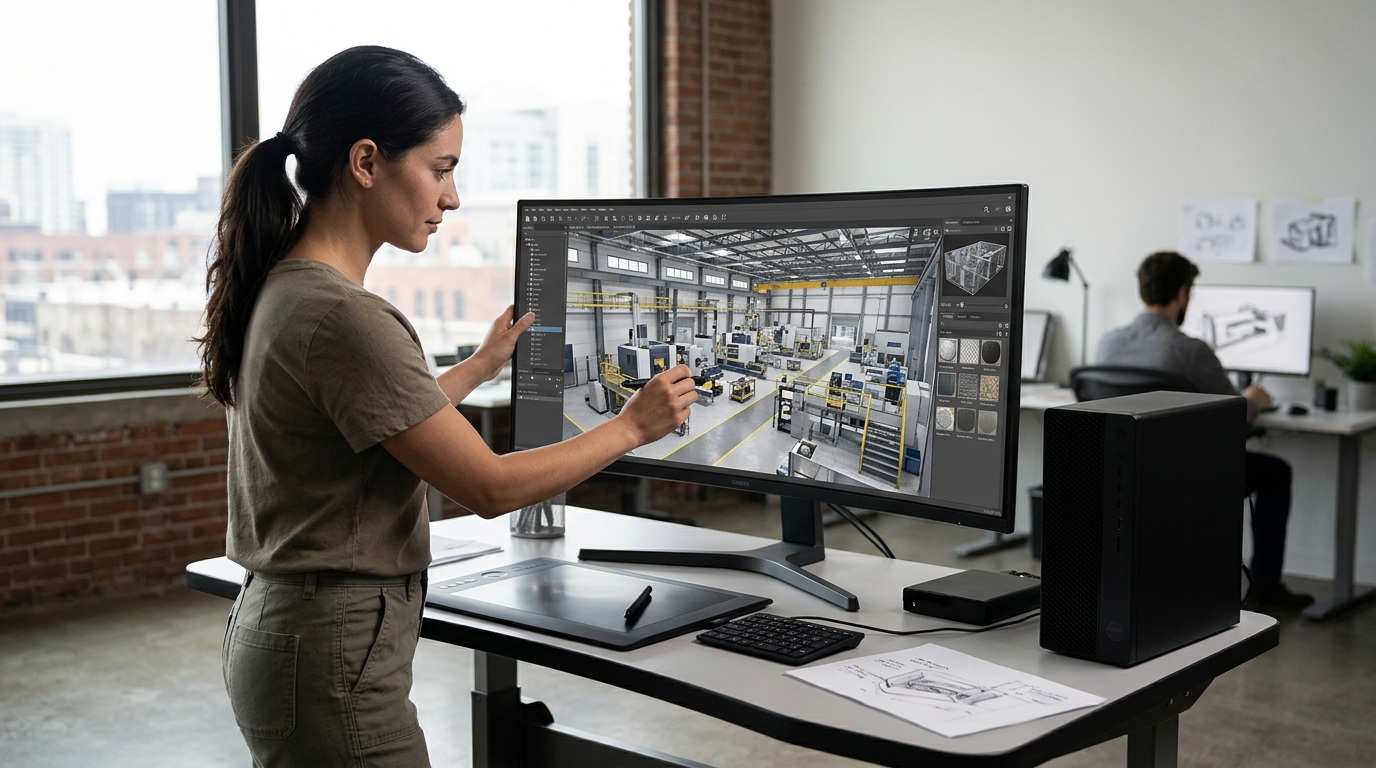
Illustrative industry photo, not a GridNest Inc project.
Large, complex or configurable products are difficult to show in person and hard to explain on a slide. We build interactive virtual showcases that present products and capabilities in explorable spatial environments, accessible remotely in a browser or presented on site with a headset.
Prospective clients can examine products from any angle and at their own pace, without shipping equipment or arranging site visits.
Close-up views, cutaways and annotations reveal features that are hard to see on a physical unit.
Every audience sees the same carefully structured presentation, whether a sales engineer is guiding them or not.
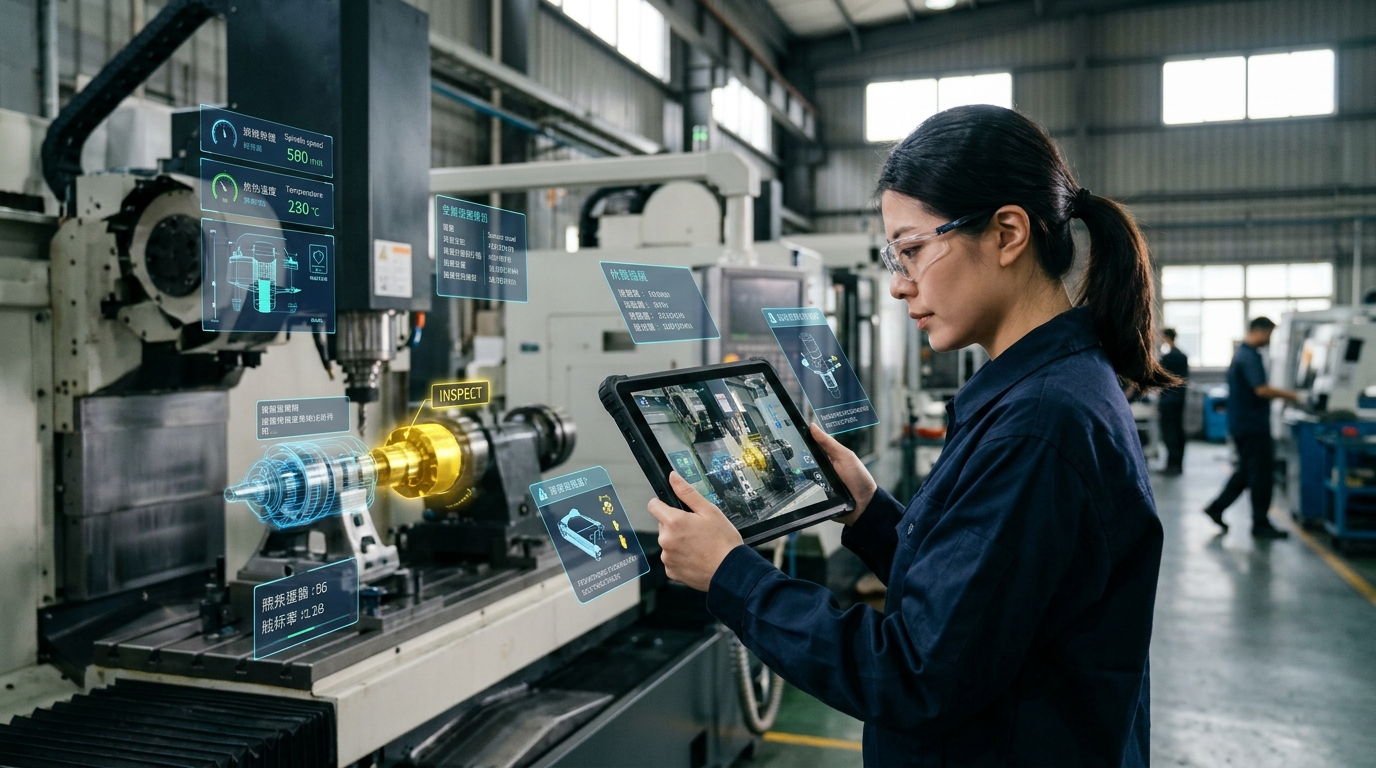
We begin by understanding what buyers most need to see and ask about. From there we plan the showroom structure, prepare optimized product models, and design guided paths alongside free exploration. The showcase is tested with your sales team so it fits naturally into real conversations.
Related: AR Application DevelopmentProvides clients with unconstrained, high-detail remote product exploration.
Engagements generally follow consultation, prototyping, development and deployment. Scope and pace are agreed with you at the start and revisited as the project learns.
Email us a short description of the process or audience, the devices you plan to use and any existing material such as CAD files or procedures. We will reply by email to talk through next steps.