Validated readiness
Teams demonstrate their response to a realistic scenario rather than describing it, revealing gaps in procedures or coordination.
Multi-sensory scenario-based simulations replicating extreme operational environments.
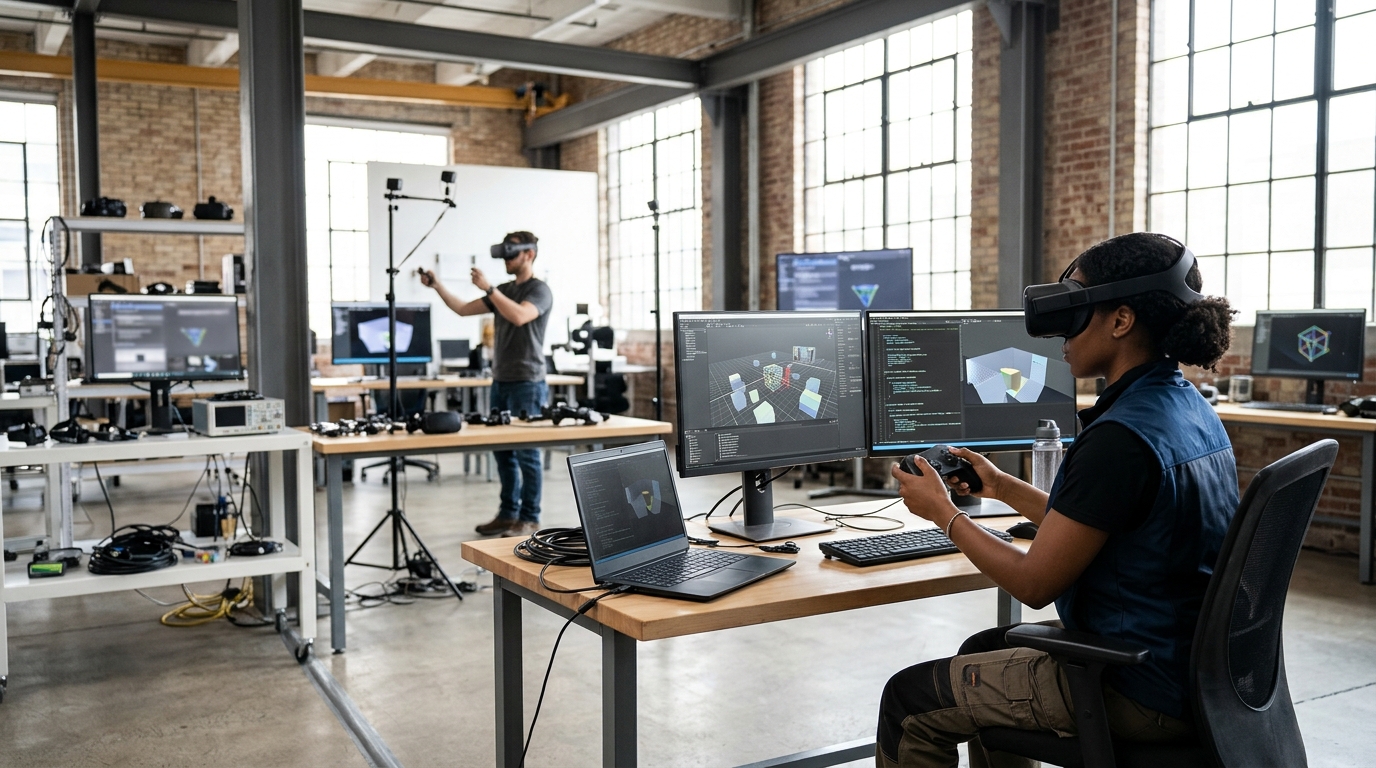
Illustrative industry photo, not a GridNest Inc project.
Readiness is hard to judge until people are under pressure. Our immersive simulations recreate demanding operational situations with sound, visual cues, timing and branching events, so teams can practise their response together and leaders can see how procedures hold up in a realistic setting.
Teams demonstrate their response to a realistic scenario rather than describing it, revealing gaps in procedures or coordination.
Layered cues and time constraints create a sense of urgency that classroom exercises struggle to reproduce.
Scenarios can be structured for replay and discussion so lessons are captured after each exercise.
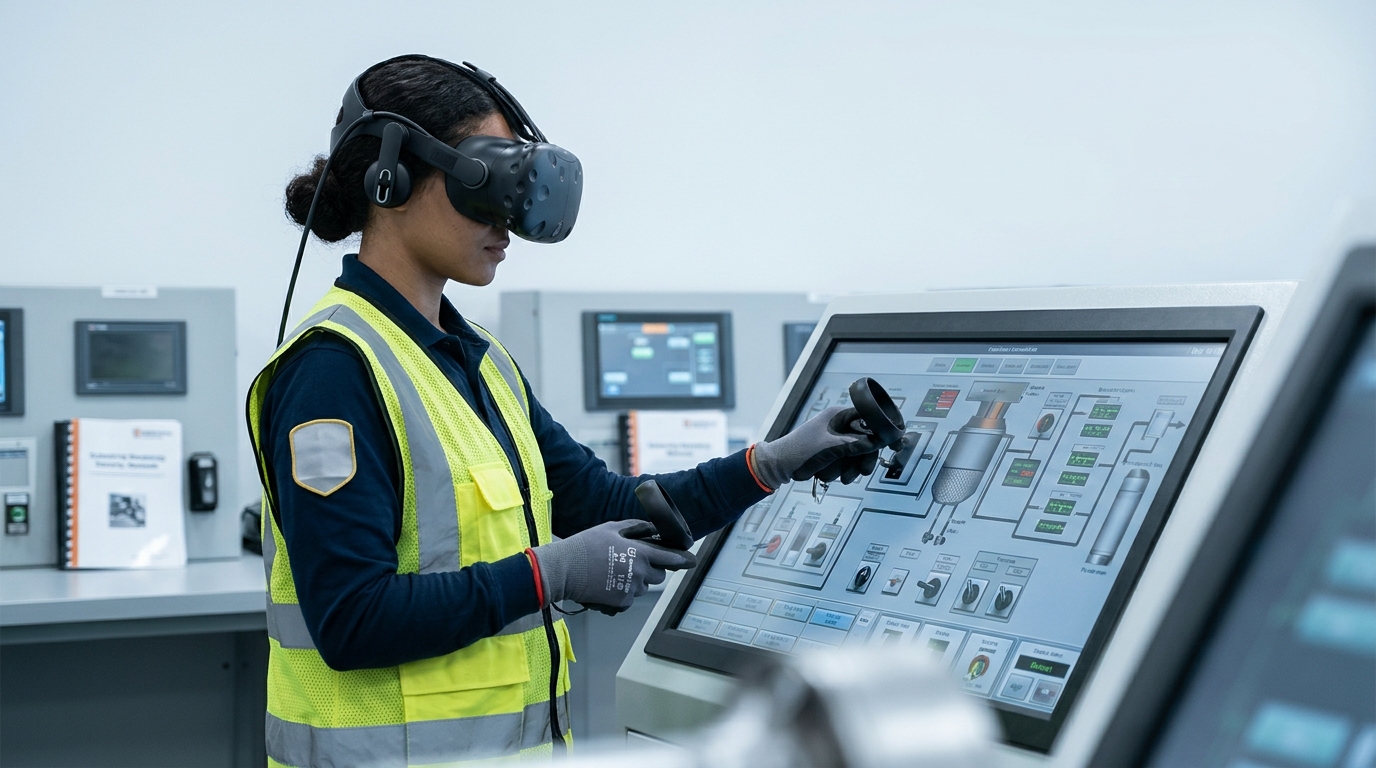
We work with your subject-matter experts to script a credible scenario, define the decisions and actions it should test, and decide which cues matter most. The simulation is built for the agreed hardware and room setup, piloted with a practice team, and refined so each run produces a clear basis for debriefing.
Related: Virtual Training SystemsValidates team response and procedural readiness under authentic pressure.
Engagements generally follow consultation, prototyping, development and deployment. Scope and pace are agreed with you at the start and revisited as the project learns.
Email us a short description of the process or audience, the devices you plan to use and any existing material such as CAD files or procedures. We will reply by email to talk through next steps.